Classical Gardens of Suzhou: The Ultimate Expression of Chinese Garden Art
The Classical Gardens of Suzhou are a UNESCO World Heritage Site inscribed in 1997, representing the highest achievement of traditional Chinese private garden design. Located in the ancient water city of Suzhou, Jiangsu Province, these gardens were built from the 11th to the 19th centuries by scholars, artists, merchants, and officials as peaceful retreats for living, studying, and contemplating nature.
More than 100 classical gardens once existed; today, nine outstanding examples are preserved as world heritage:
Humble Administrator’s Garden, Lingering Garden, Master of the Nets Garden, Mountain Villa with Embracing Beauty, Lion Grove Garden, Couple’s Retreat Garden, Retreat & Reflection Garden, Canglang Pavilion, Yiyuan Garden.
Humble Administrator’s Garden, Lingering Garden, Master of the Nets Garden, Mountain Villa with Embracing Beauty, Lion Grove Garden, Couple’s Retreat Garden, Retreat & Reflection Garden, Canglang Pavilion, Yiyuan Garden.
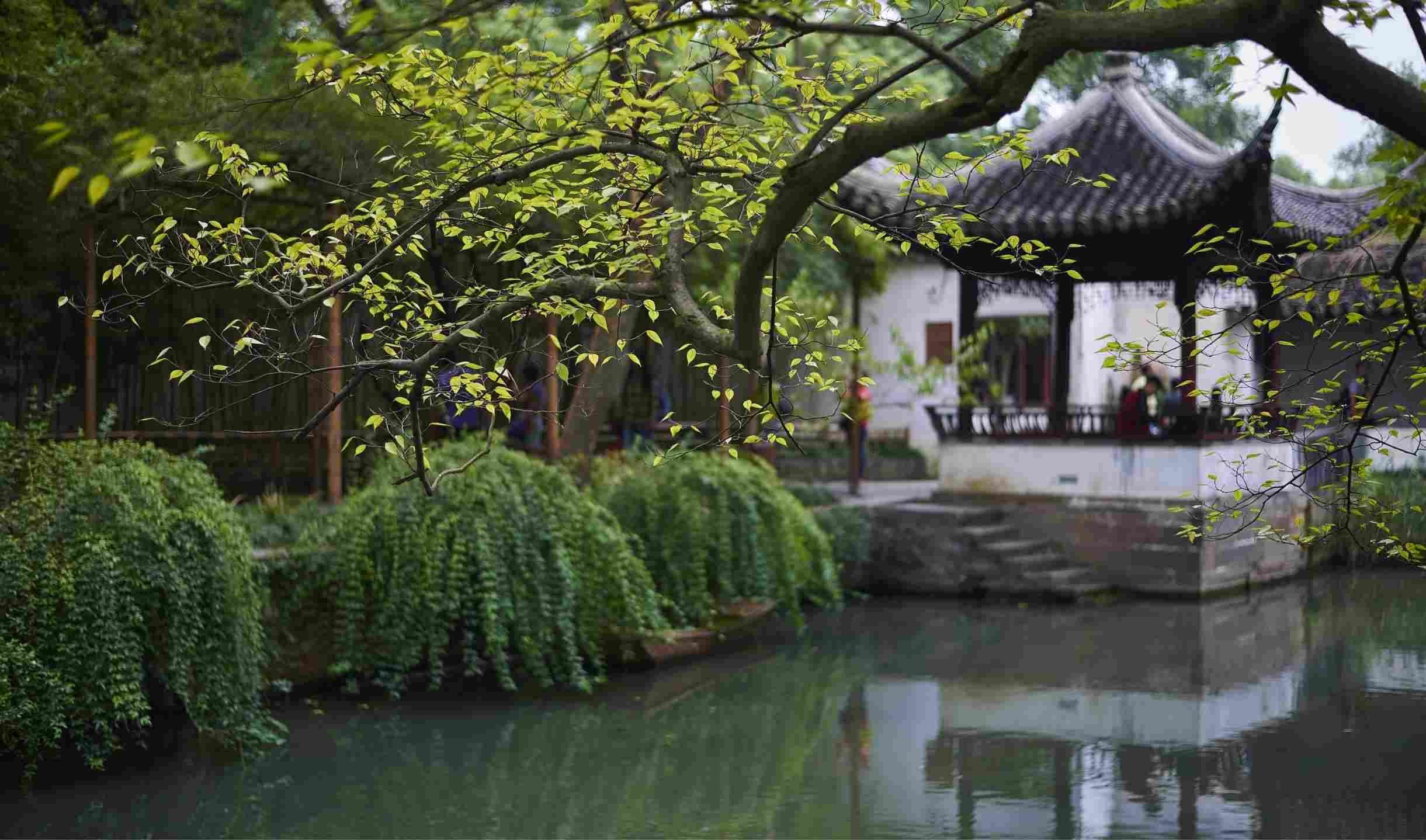
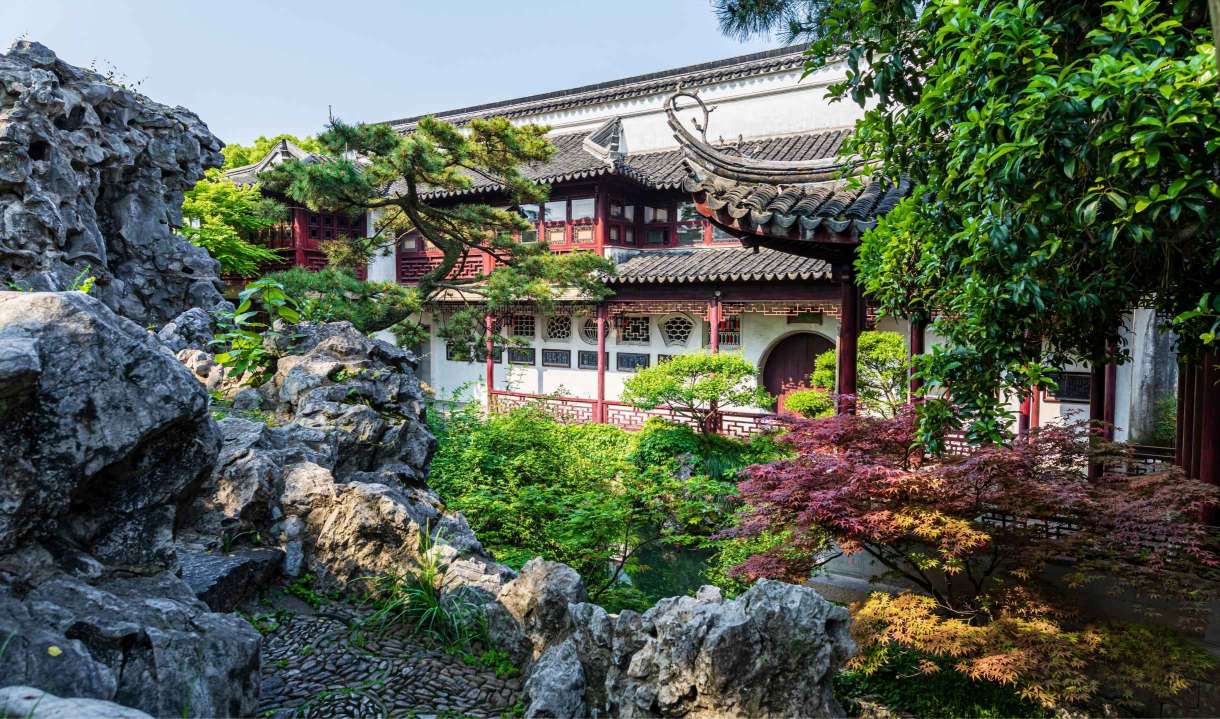
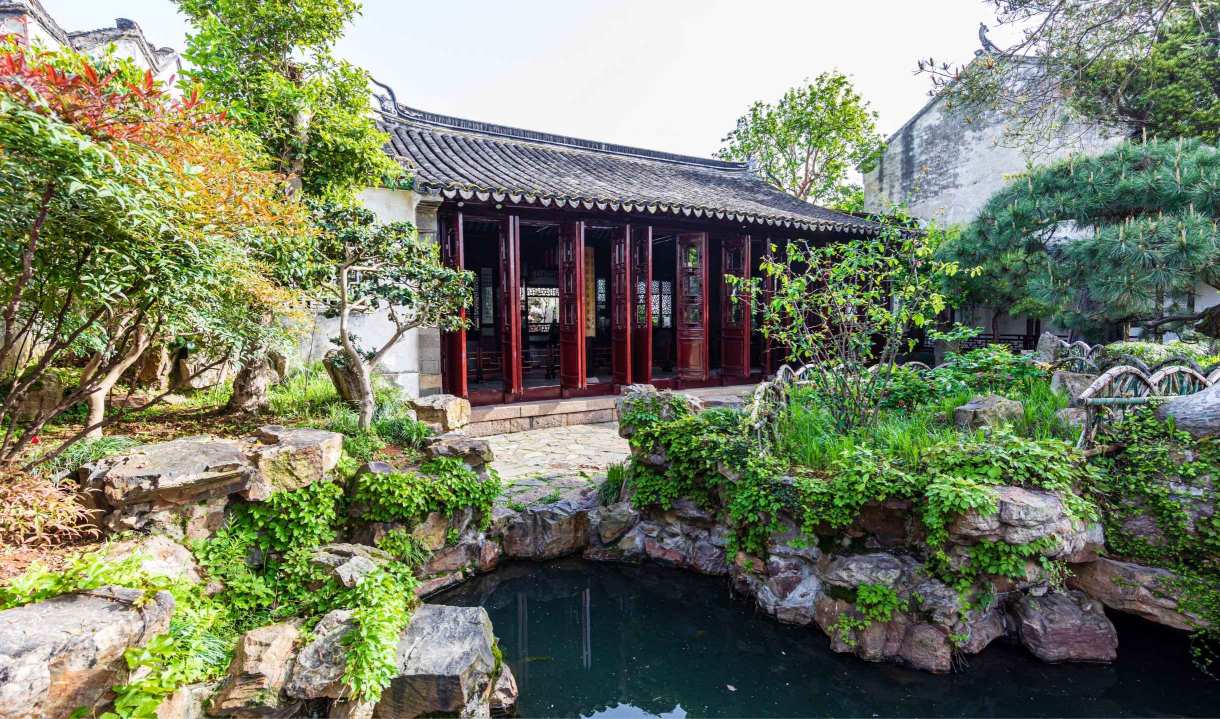
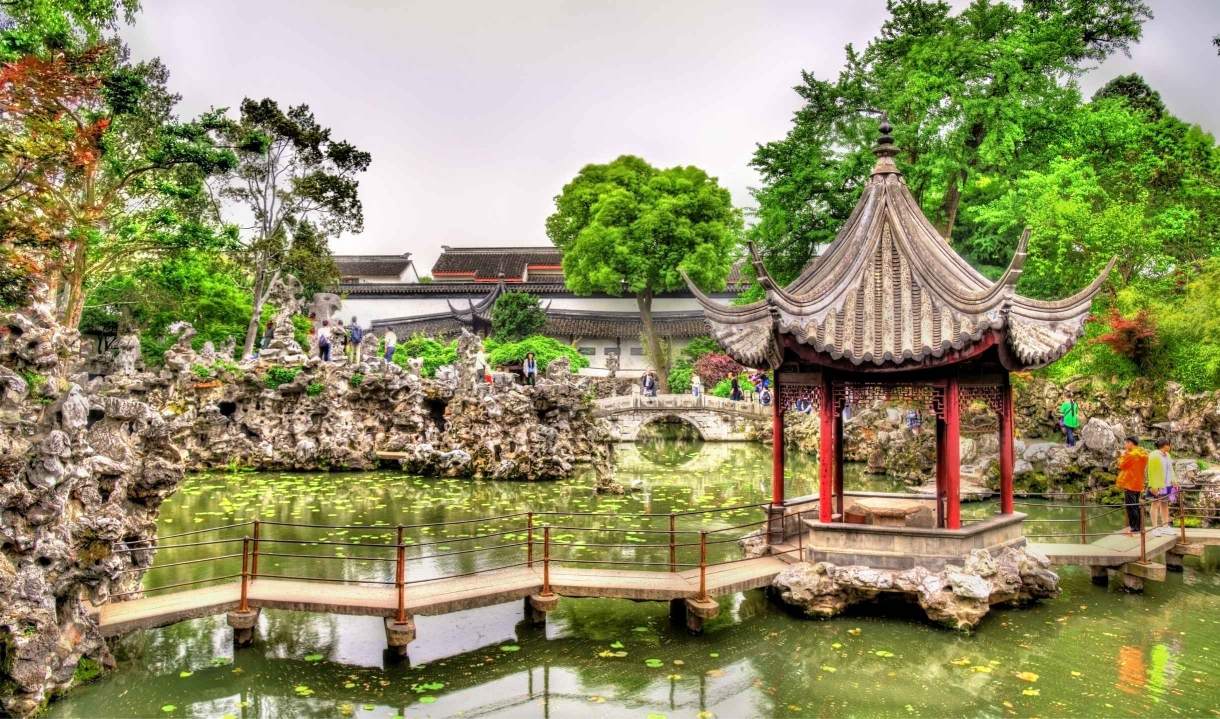
These gardens are not merely landscapes — they are living poems and three-dimensional paintings. Following the philosophy of “Harmony between Humanity and Nature”, Suzhou’s masters used limited space to create an infinite natural world through four core techniques:
- Borrowing scenery (borrowing mountains, trees, and distant views)
- Framing scenes (using windows and doors to compose pictures)
- Hiding and revealing scenes (creating mystery and surprise)
- Winding paths and shifting views (changing scenery at every step)
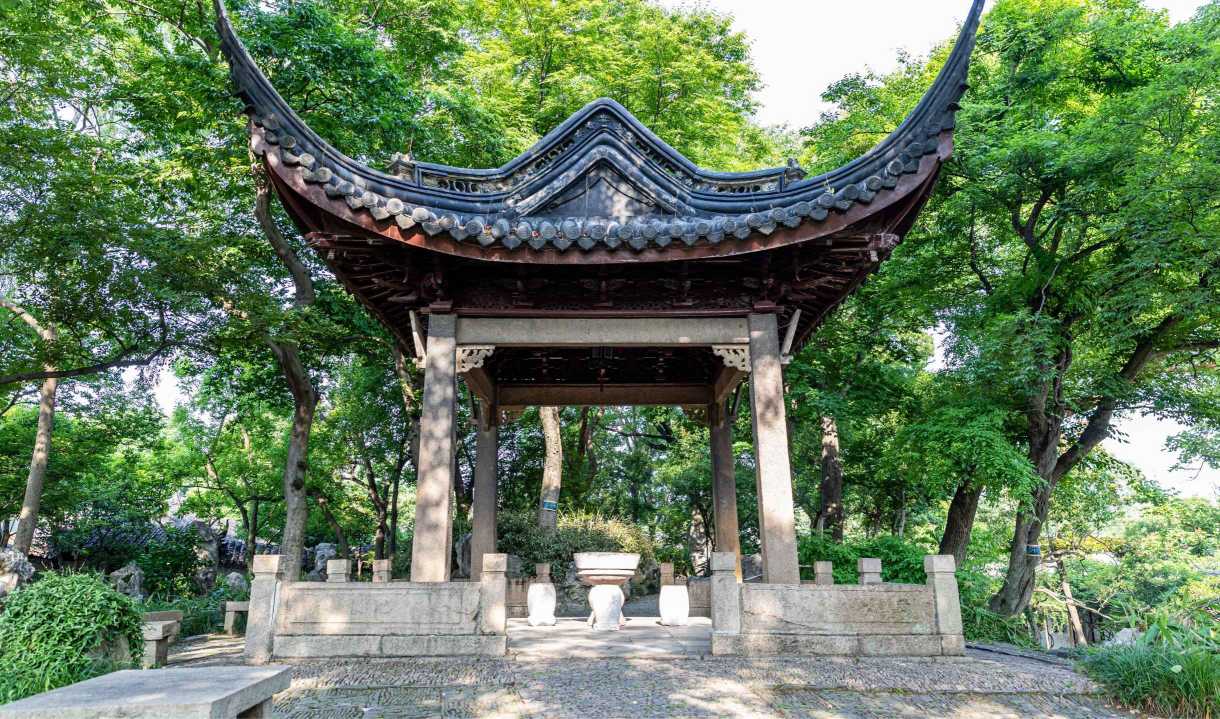
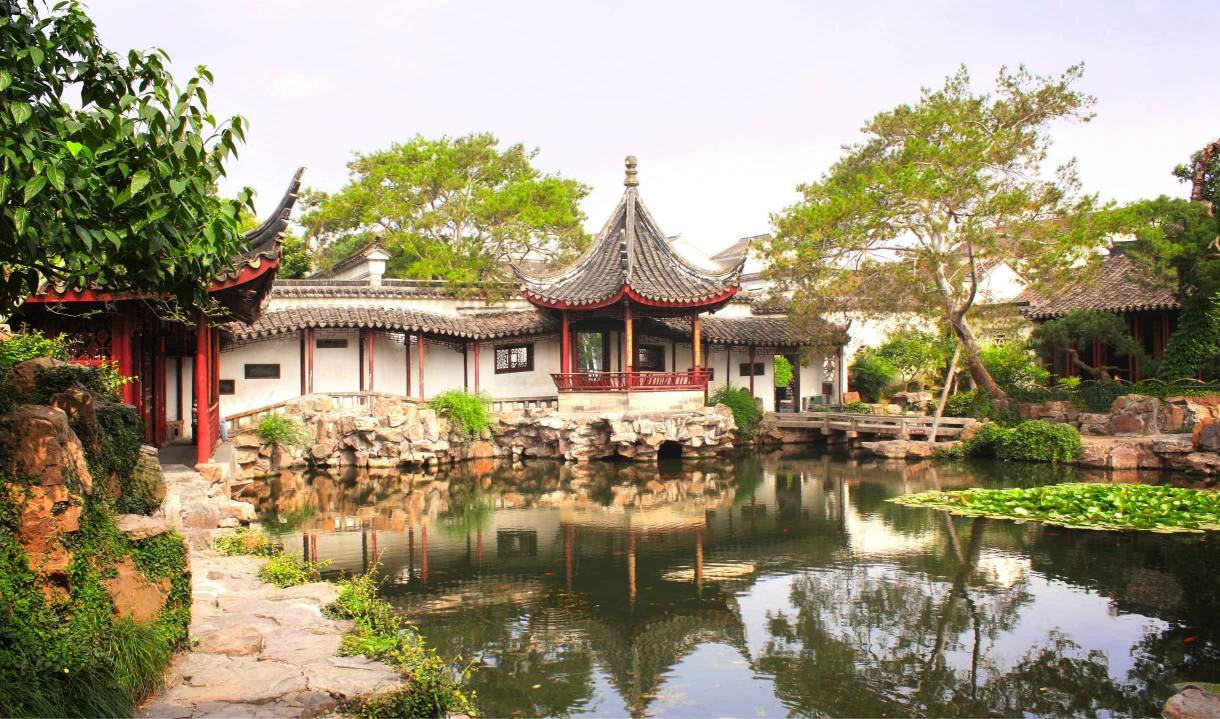
Typical elements include elegantly curved bridges, quiet pavilions, carved windows, meandering corridors, rockeries representing mountains, ponds symbolizing seas, winding streams, ancient trees, and carefully arranged bamboo and flowers. Every stone, plant, and building is placed with artistic intention, achieving the ideal state: “Although made by humans, it appears created by heaven.”
Culturally, the gardens embody the refined taste, philosophical thinking, and spiritual pursuit of ancient Chinese literati. They blend architecture, landscape, painting, calligraphy, literature, and Buddhism–Daoism into a unified whole, making them a microcosm of traditional Chinese culture.
The Suzhou gardens are recognized globally as a model of artistic creativity and have deeply influenced garden design throughout East Asia and beyond. They fulfill UNESCO World Heritage criteria (i), (ii), (iii), (iv), and (v) — a masterpiece of human genius, a key influence on cultural development, an exceptional testimony to Chinese civilization, an outstanding example of architectural design, and a rare example of traditional cultural settlement.
To walk through a Suzhou garden is to enter a peaceful, poetic world where time slows down. It is a place of beauty, tranquility, and wisdom — the purest expression of the Chinese ideal of living in harmony with nature.