

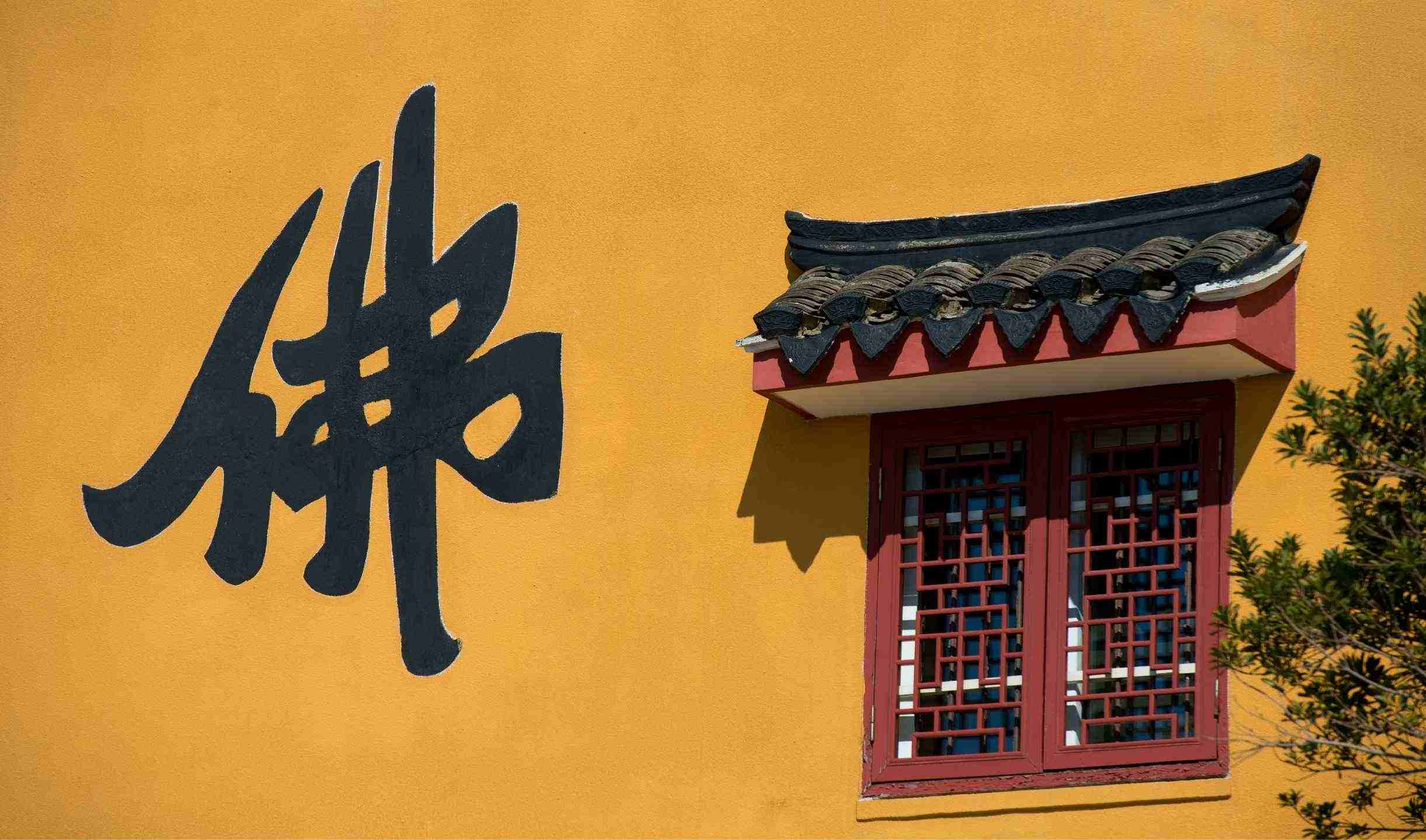
China is filled with thousands of beautiful, centuries‑old Buddhist and Taoist temples, mountain‑top shrines and historic sacred sites. These locations are far more than popular sightseeing landmarks. They are active, living places of worship, where local believers come to pray, meditate and hold traditional religious ceremonies every single day.
All visitors are warmly welcome, yet every tourist needs to follow basic etiquette out of respect for local faith and religious traditions.
We provide you with detailed, practical guidance and real‑scene examples for your temple visits. When you enter the main prayer hall, your shoulders and knees should be covered. Short skirts, very short shorts and sleeveless tops are considered inappropriate inside most main‑hall buildings.
Pay close attention to photography signs. Many main worship halls, Buddha statues and sacred altars strictly ban photos and video recording, even without flash. Do not step directly on the threshold of the temple main doors, as local tradition regards the threshold as the shoulder of the temple guardian.
If you choose to buy and burn incense, follow the local order of worship, and do not joke or speak loudly inside quiet prayer areas. Do not touch or climb on Buddha sculptures, religious statues and ancient sacred relics for selfies.
When you respect the quiet, holy atmosphere of these ancient sites, you will get a much richer, peaceful and meaningful cultural sightseeing experience.