The Imperial Palaces of the Ming and Qing Dynasties
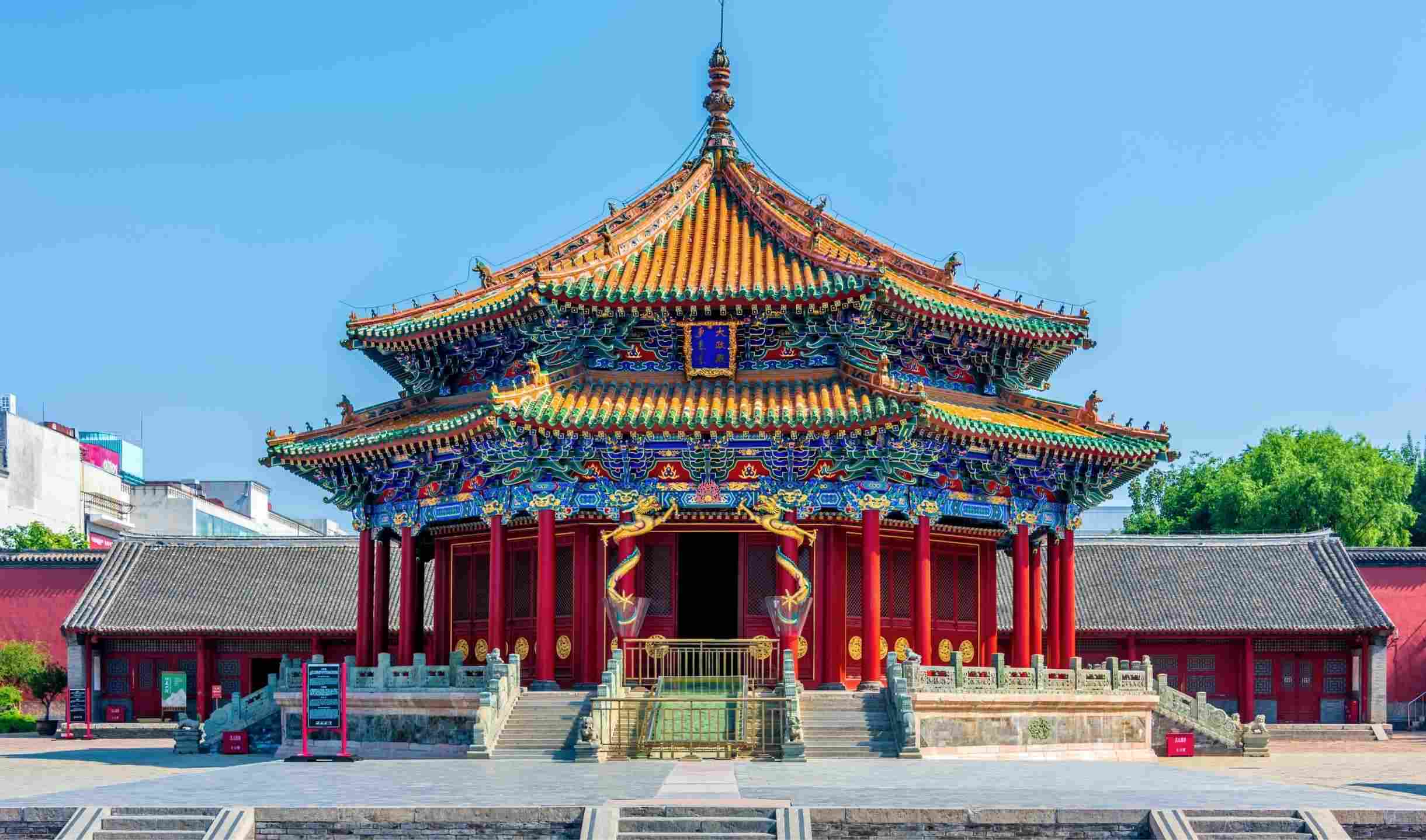
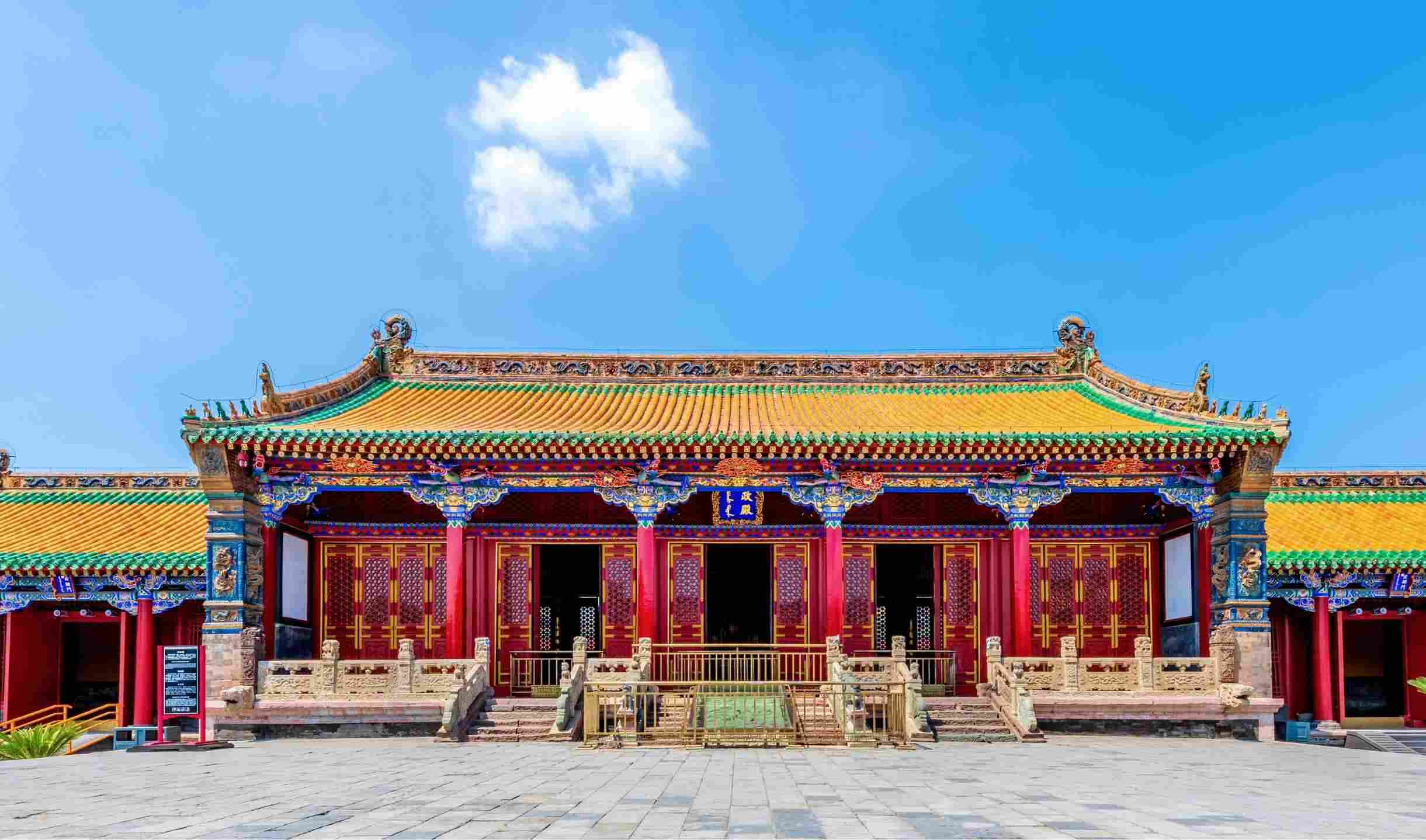
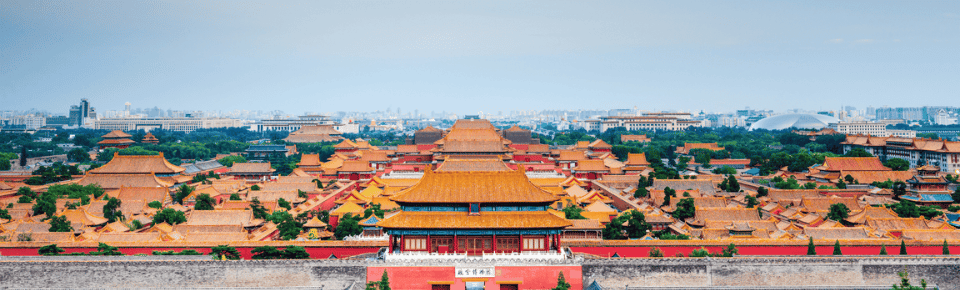
This serial world heritage site comprises two core complexes: the Forbidden City in Beijing and Mukden Palace in Shenyang, officially inscribed on the World Heritage List in 1987 and 2004 respectively. They stood as supreme political, ceremonial and royal residential centers during the Ming and Qing dynasties, embodying the pinnacle of ancient Chinese palace architecture.
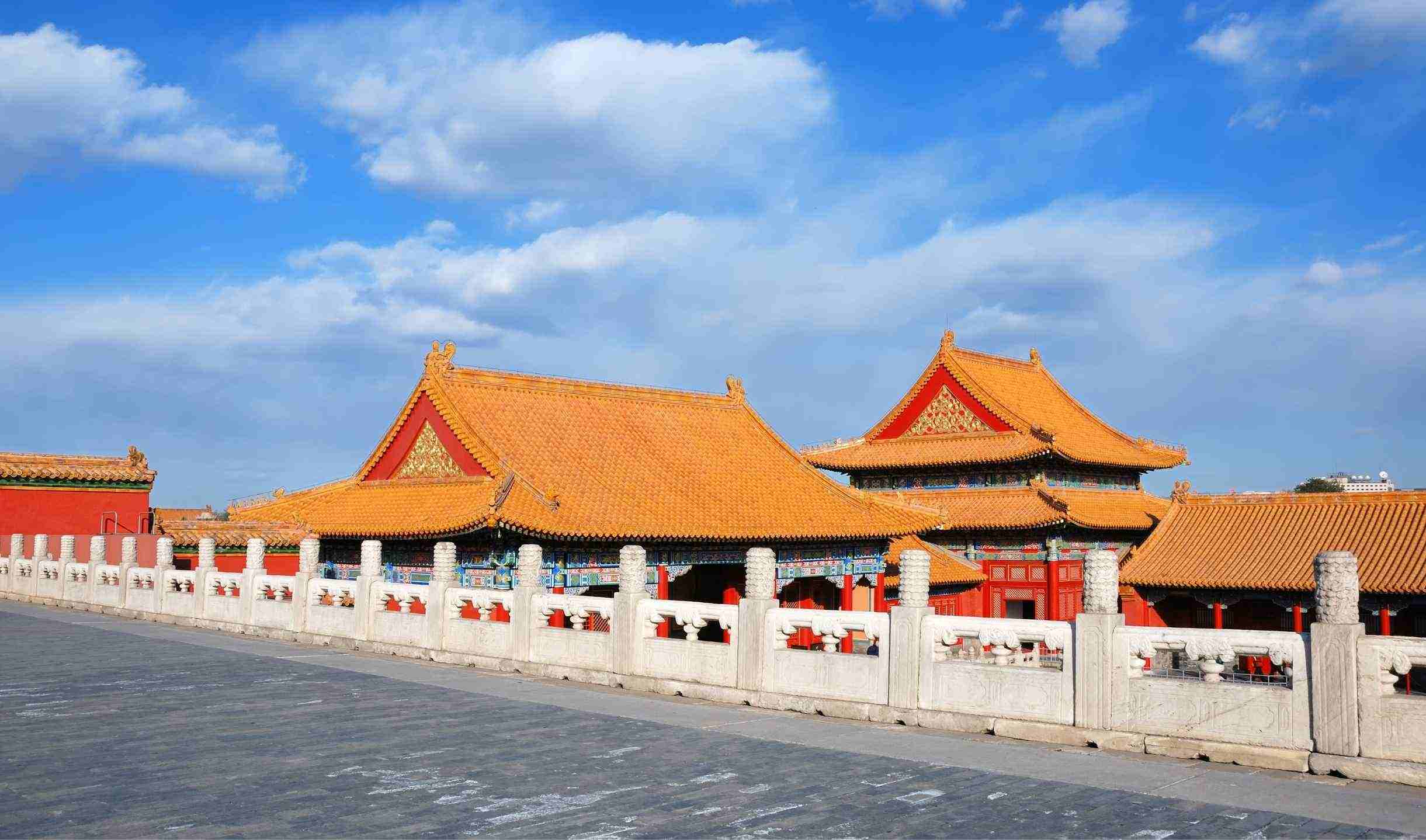
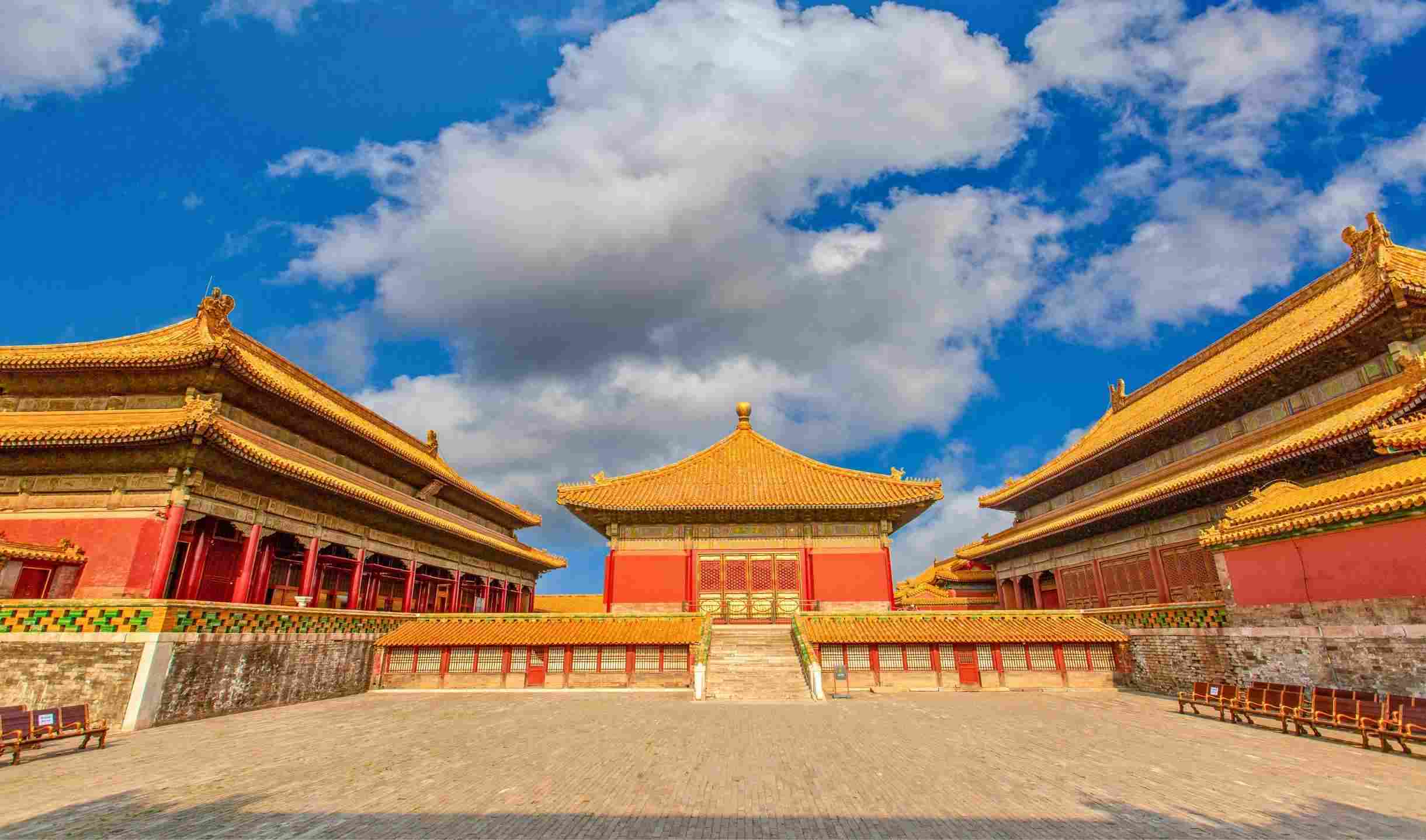
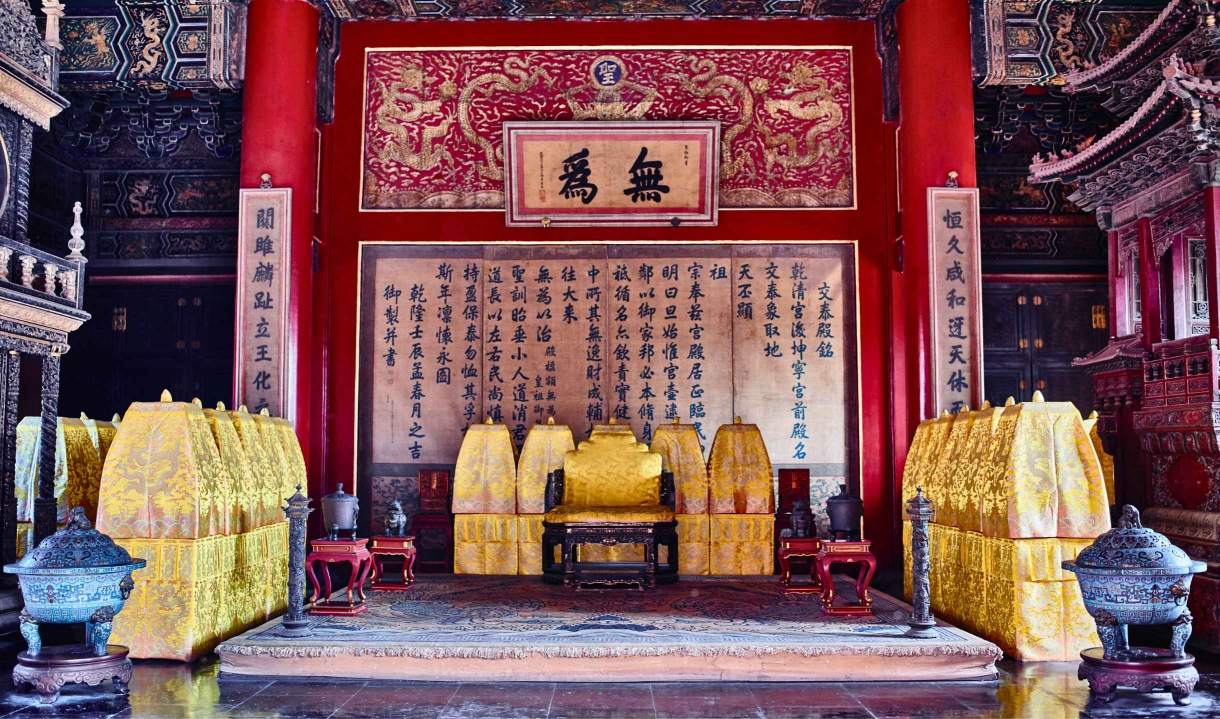
Centered on rigorous symmetrical layouts, the palaces strictly follow traditional ritual hierarchy. Grand halls, solemn palaces, exquisite gardens and auxiliary buildings are neatly arranged, forming an orderly and magnificent imperial realm. Distinctive glazed tile roofs, carved beams and painted rafters, elaborate Dougong brackets and delicate decorative arts fully display superb ancient construction techniques.
Beijing Forbidden City, the largest imperial palace worldwide, boasts countless royal halls and chambers. It witnessed major historical events, imperial coronations, grand ceremonies and daily royal life, bearing profound political and cultural connotations. Shenyang Palace features combined architectural styles of Han, Manchu, Mongolian and other ethnic groups, presenting unique regional and ethnic characteristics.
These imperial palaces perfectly integrate architectural aesthetics, feudal etiquette philosophy and national cultural essence. They serve as authoritative witnesses to the prosperity, evolution and ethnic integration of China’s late feudal society, and priceless masterpieces of human historical civilization.
Walking through the palaces, visitors can feel the solemn imperial dignity and splendid ancient culture, and admire extraordinary wisdom and artistic attainments of ancient Chinese craftsmen.
.jpg)