Ancient Villages in Southern Anhui – Xidi and Hongcun: Timeless Masterpieces of Traditional Chinese Village Civilization
Ancient Villages in Southern Anhui – Xidi and Hongcun is a UNESCO World Heritage Site inscribed in 2000, located in Yi County, Huangshan City, Anhui Province, at the foot of the magnificent Huangshan Mountains. These two exceptionally well‑preserved ancient villages represent the highest achievement of traditional Huizhou-style architecture and rural settlement planning, offering an authentic glimpse into China’s feudal social structure, merchant culture, and philosophical harmony between humanity and nature.
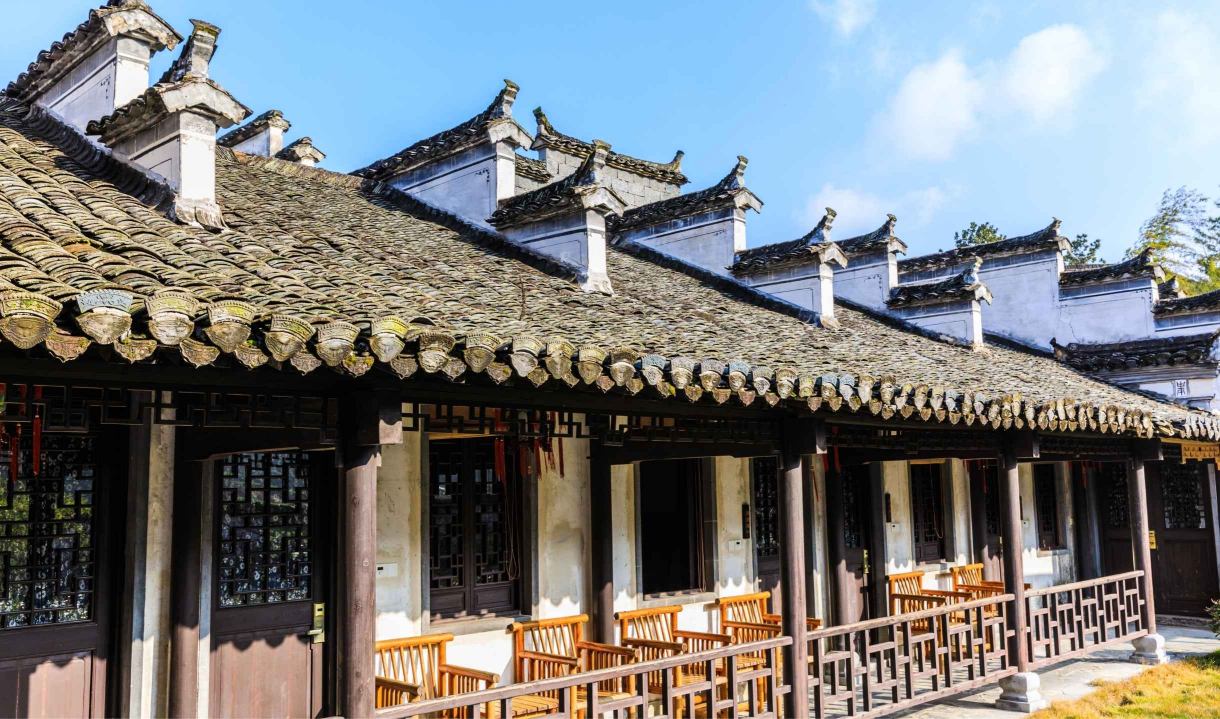
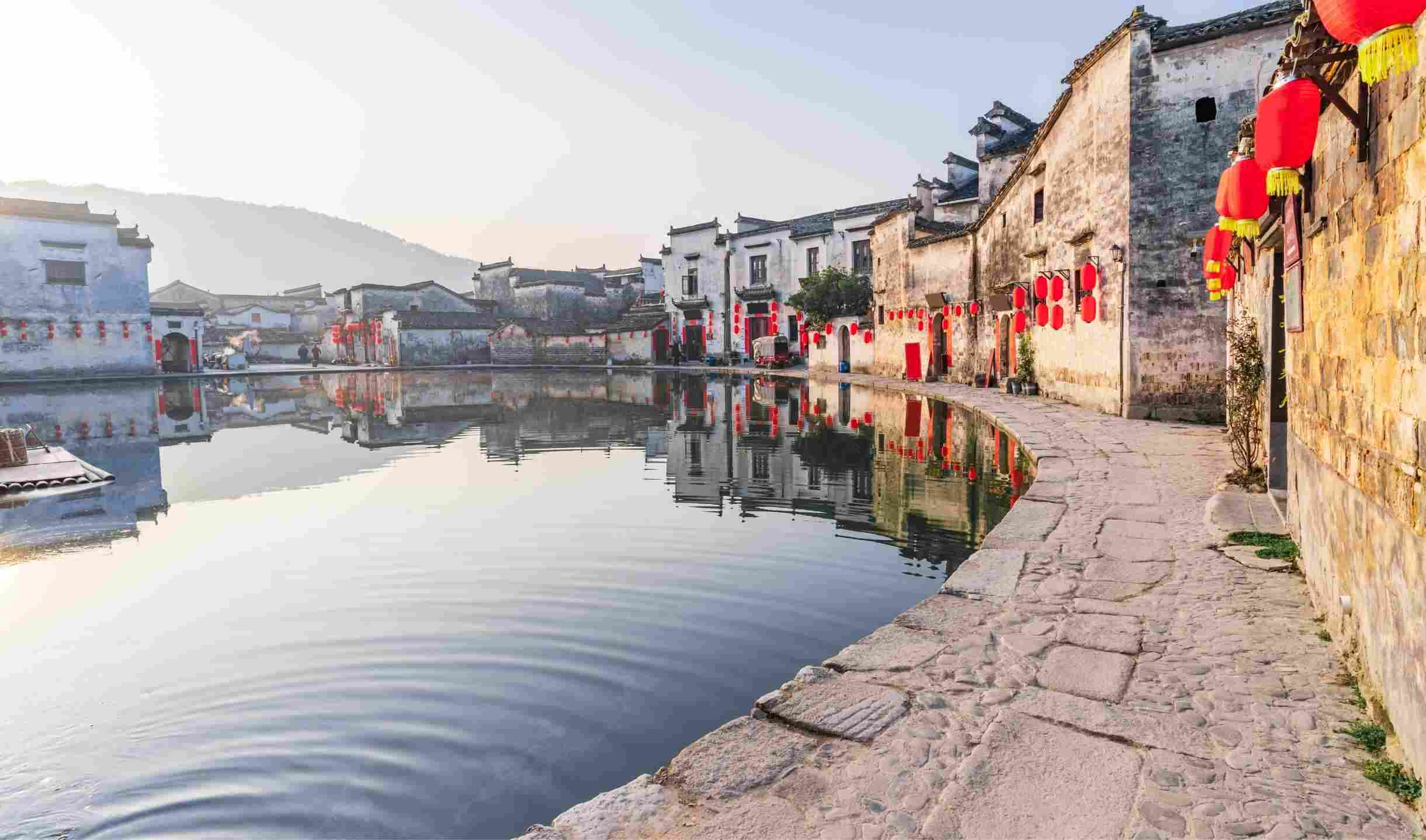
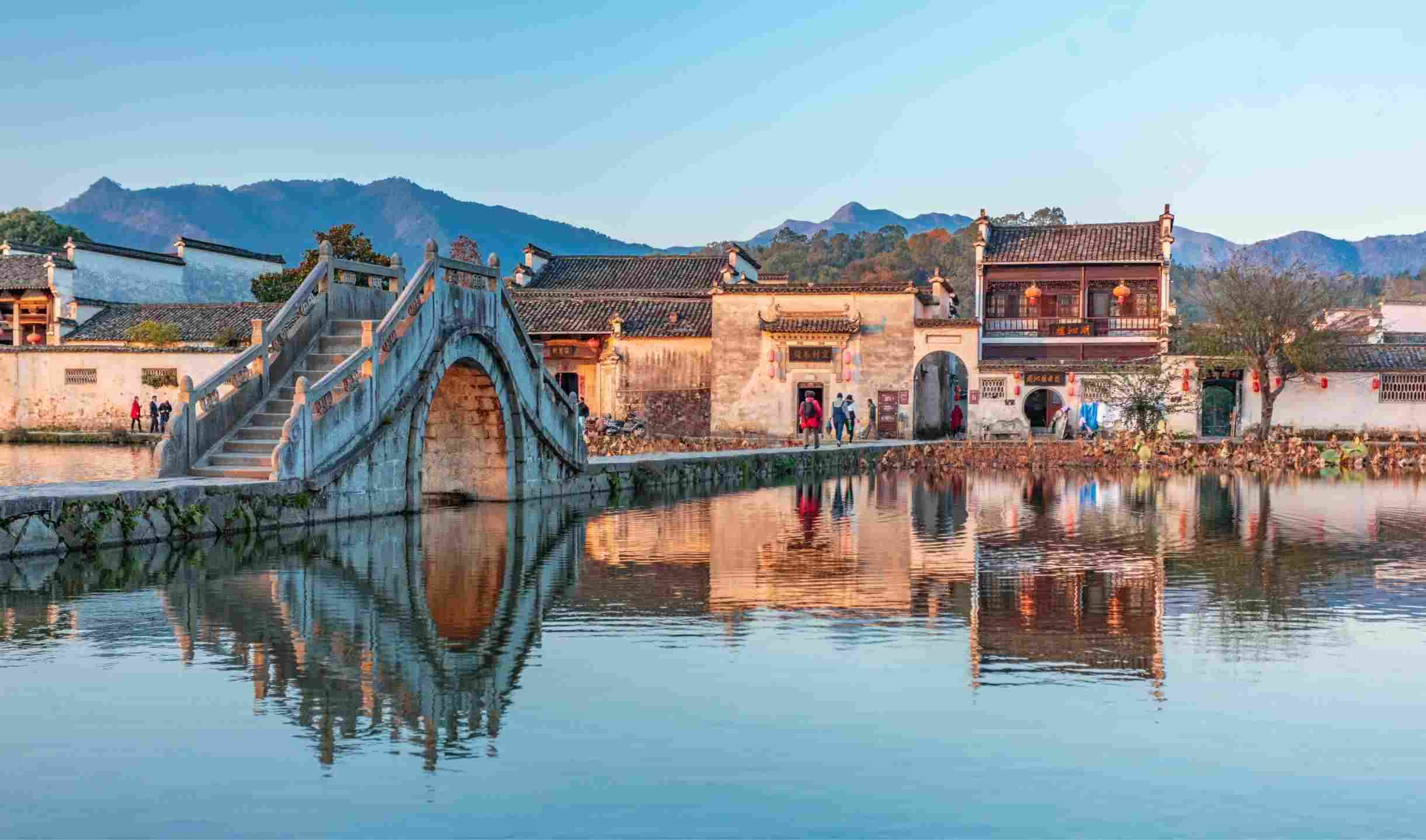
With a history dating back more than 900 years, Xidi and Hongcun have preserved nearly 300 refined residential buildings, ancestral halls, memorial archways, and private gardens from the Ming and Qing dynasties. They are celebrated as “Museum of Ming and Qing Residential Architecture” and “Village in a Chinese Painting” respectively, showcasing the elegant, understated aesthetic of white plaster walls, dark grey tiled roofs, and distinctive horse-head walls that rise like waves along the skyline.
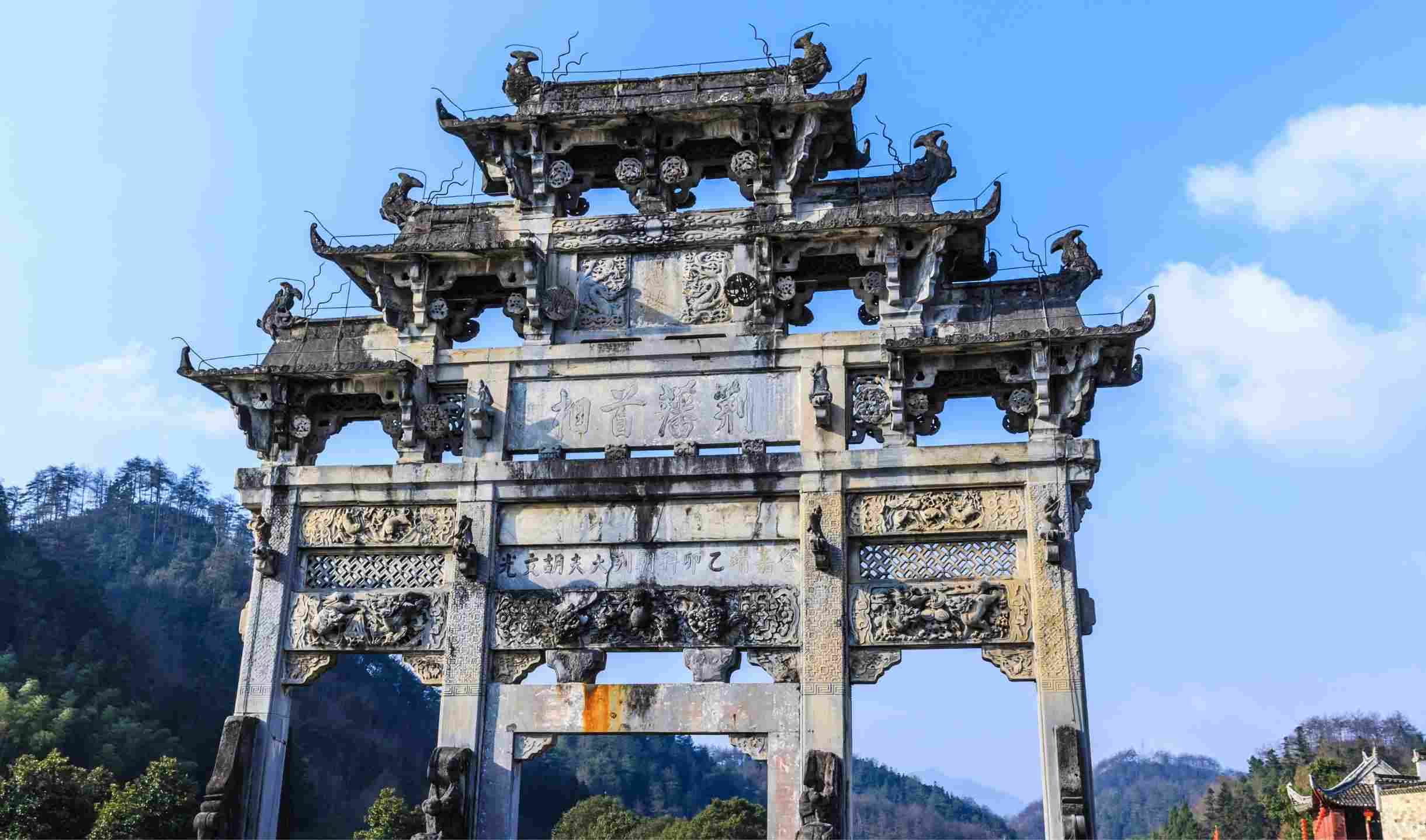
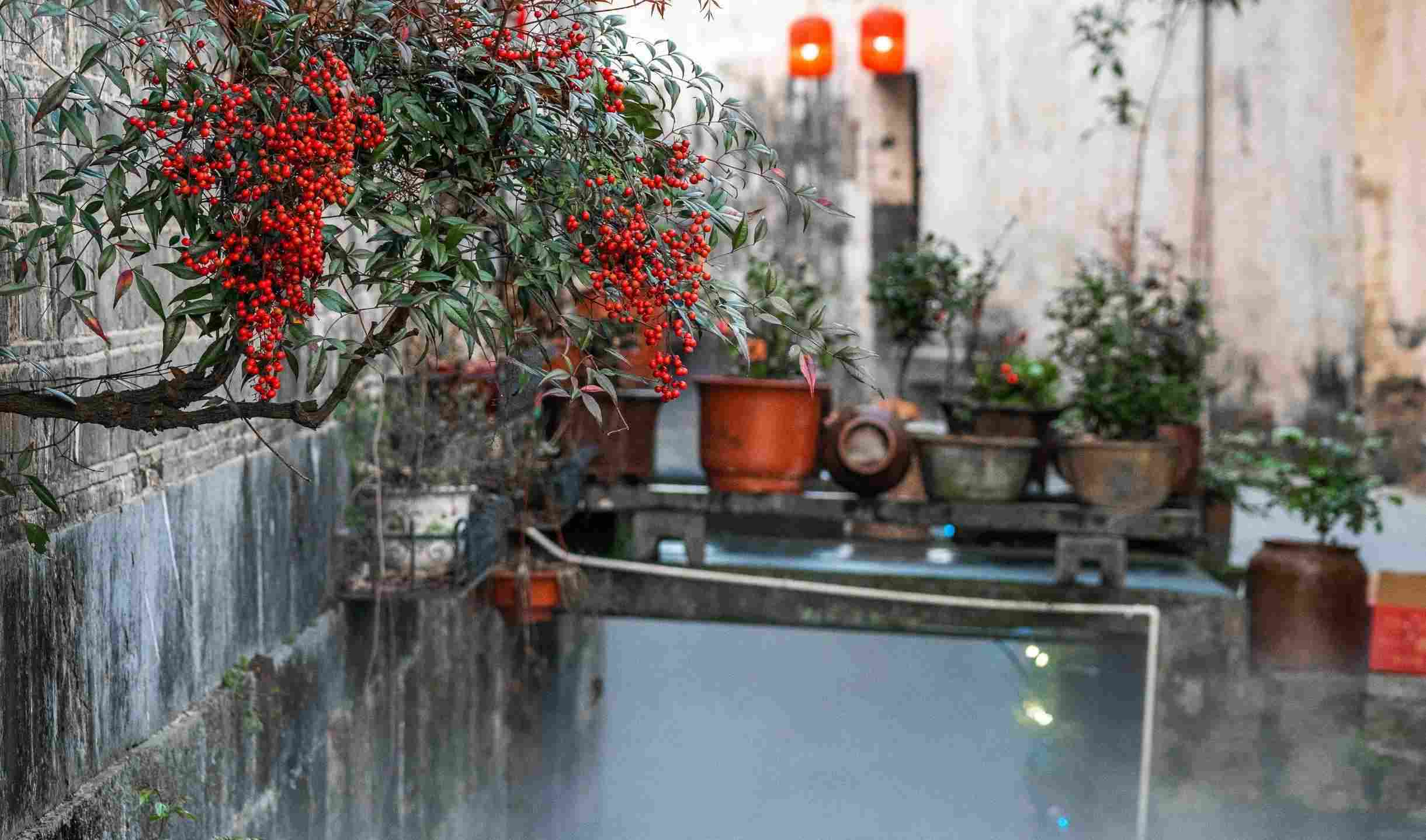
What makes these villages truly extraordinary is their ingenious integration of architecture, water, mountains, and humanity. Hongcun is famous for its unique man‑made water system—a carefully designed network of streams, ponds, and wells that winds through every household, providing water for daily life, fire prevention, irrigation, and cooling, creating a peaceful, watery paradise黟县人民政府. Xidi impresses with its orderly street layout, elegant stone pavements, and the iconic Hu Wenguang Memorial Archway, a symbol of Huizhou merchants’ pursuit of virtue and success.
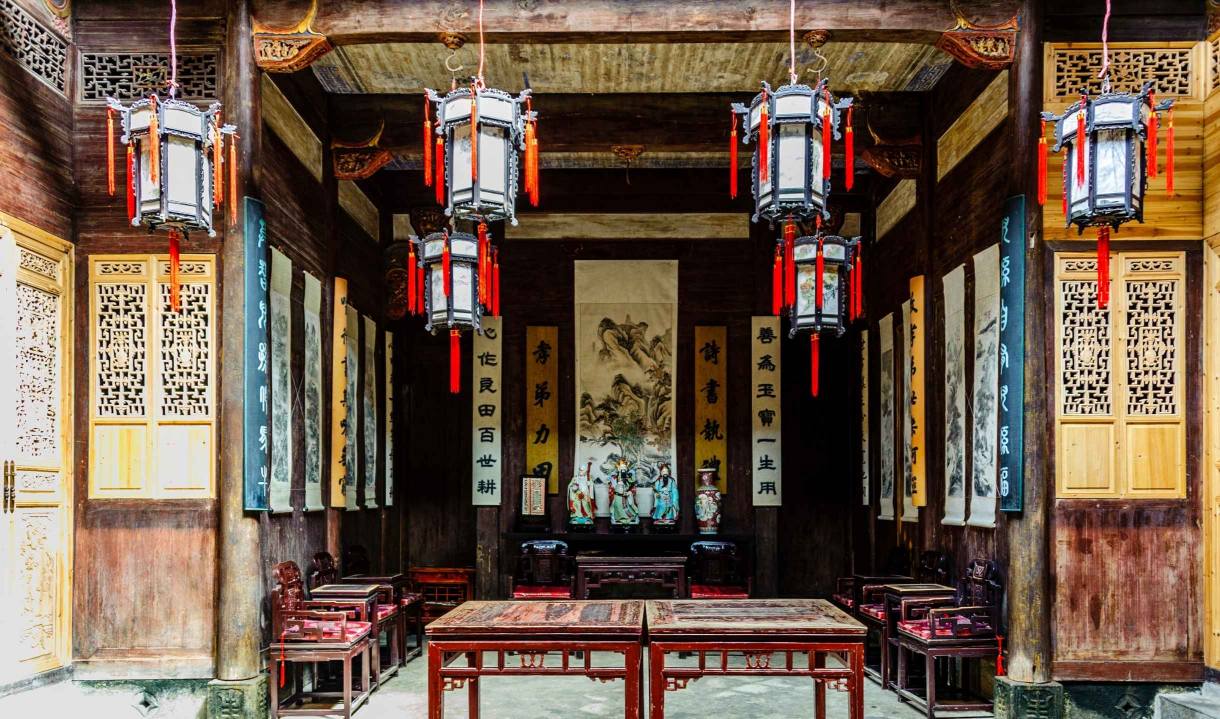
Every detail reflects the profound culture of Huizhou merchants, who accumulated great wealth through trade and returned to build elegant homes that embodied Confucian values of respect for education, family, and tradition国家文物局. Elaborate wood carvings, stone carvings, and brick carvings adorn doors, windows, and walls, depicting historical stories, landscapes, flowers, and auspicious motifs—turning ordinary residences into works of art.
Culturually and historically, Xidi and Hongcun satisfy three UNESCO World Heritage criteria:
- Criterion (iii): Outstanding testimony to a feudal settlement built on prosperous merchant economy.
- Criterion (iv): Exceptional example of architectural and urban planning reflecting a stable social structure.
- Criterion (v): Rare surviving model of traditional Chinese rural settlements that have mostly vanished elsewhere.
Surrounded by green hills, clear streams, and pastoral scenery, these villages are not only architectural treasures but also living communities where traditional customs, festivals, and crafts continue to thrive. Walking along the bluestone lanes, visitors can feel the tranquility of ancient China and experience the timeless beauty of a civilization that respected nature, valued family, and pursued elegance in everyday life.
Ancient Villages in Southern Anhui – Xidi and Hongcun stand as irreplaceable treasures of human cultural heritage. They are a journey back in time, a window into traditional Chinese philosophy, and a living poem of harmony between people, architecture, and nature.