Historic Ensemble of the Potala Palace, Lhasa: A Sacred Icon of Tibetan Civilization
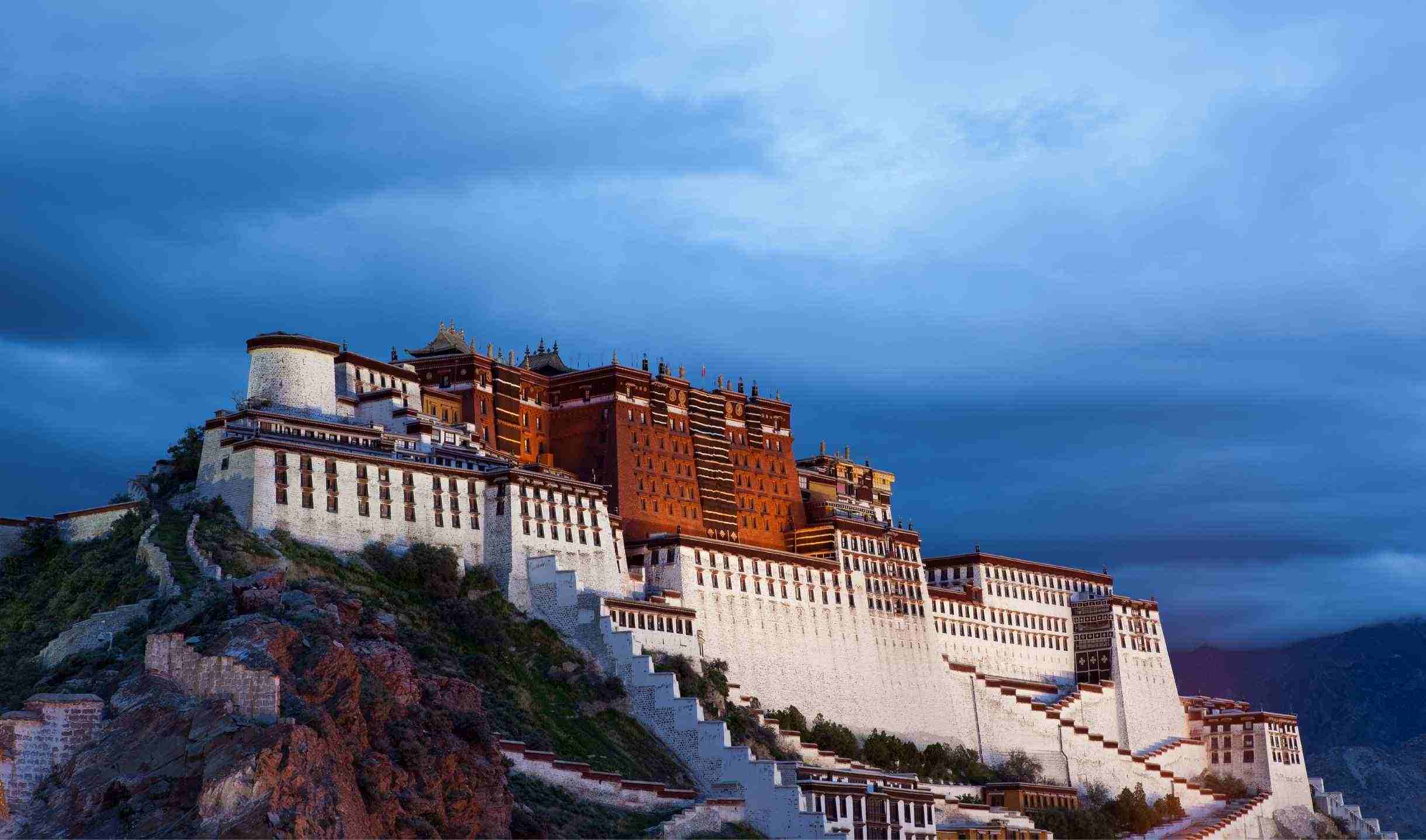
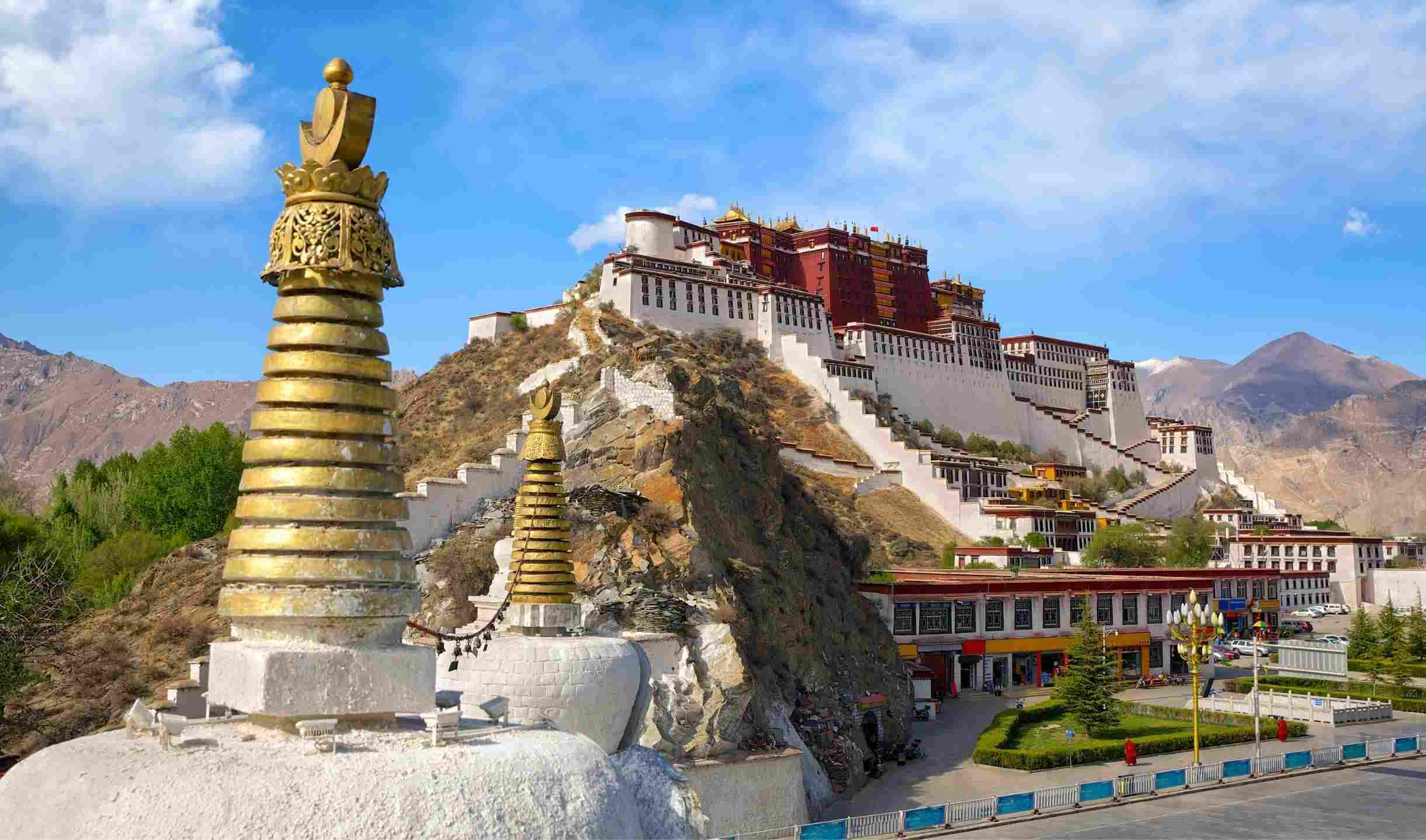
The Historic Ensemble of the Potala Palace, Lhasa is a UNESCO World Heritage Site first inscribed in 1994, later expanded in 2000 and 2001 to include the Jokhang Temple Monastery and Norbulingka. Perched majestically on Red Hill at an altitude of 3,700 meters in the heart of Lhasa, it stands as the spiritual, political, and architectural heart of Tibetan culture, and one of the most extraordinary historic complexes on Earth.
With origins dating back to the 7th century under King Songtsen Gampo, the present complex was largely rebuilt in the 17th century. It consists of three core components:
- Potala Palace: the winter palace and religious-political center, combining the White Palace (administrative) and Red Palace (religious).
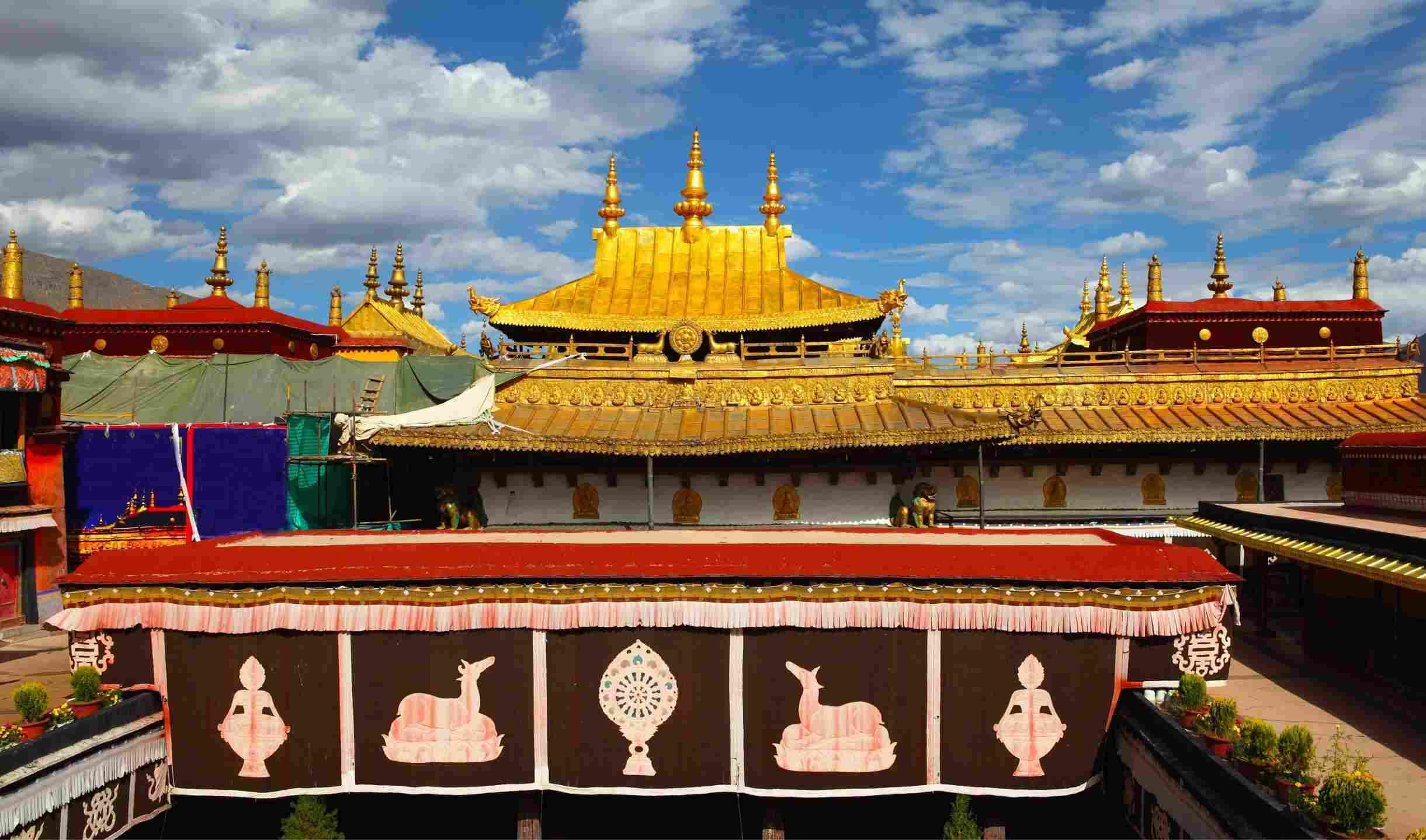
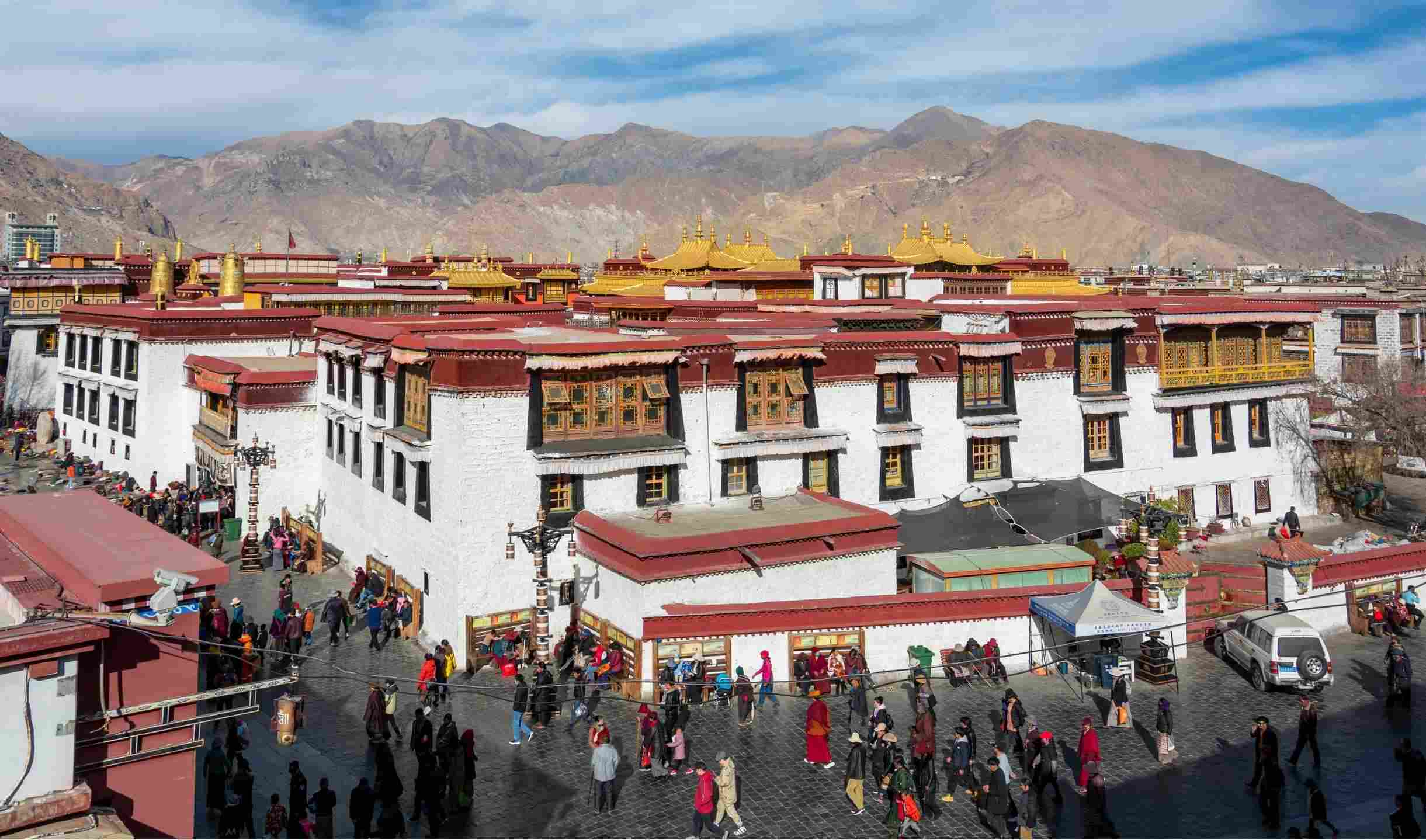
- Jokhang Temple: the most sacred Buddhist temple in Tibet, spiritual core of Tibetan Buddhism.
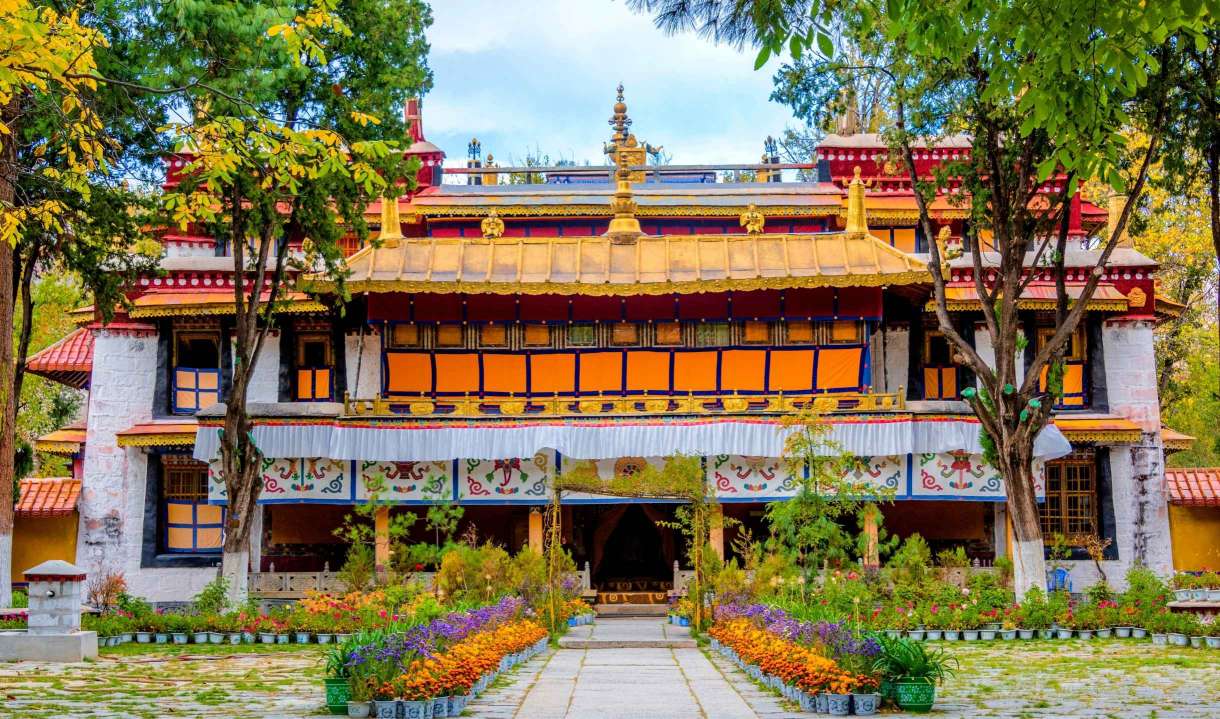
- Norbulingka: the summer palace, a masterpiece of traditional Tibetan garden art.
The Potala Palace is a masterpiece of Tibetan fortress-palace architecture. Built into the mountain, it features massive stone walls, golden roofs, bright white and red facades, and intricate wood carvings, murals, and thangkas. Rising more than 110 meters with over 1,000 rooms, it merges harmoniously with the plateau landscape, embodying the perfect union of nature, religion, and powerThe State Council Information Office of the People’s Republic of China.
For centuries, this ensemble served as the center of theocratic governance in Tibet, witnessing key moments in history, religion, politics, and culture. It preserves countless priceless relics: Buddhist scriptures, statues, murals, imperial gifts, and historical documents that bear witness to the long history of ethnic exchange and unity.
The site meets UNESCO criteria (i), (iv), (vi) as:
- An outstanding creation of human artistry in harmony with nature.
- A supreme example of theocratic architecture and traditional Tibetan design.
- A profound symbol of religious and cultural identity with deep universal significance.
More than a building, the Historic Ensemble of the Potala Palace is a living symbol of faith, history, and Tibetan civilization. It stands as a bridge between heaven and earth, a treasure of humanity, and an eternal icon of the Roof of the World.